
Bitcoin: The Incredible Story Behind the Asset That Created Thousands of Millionaires
Discover the incredible story of Bitcoin, from an experimental digital currency worth almost nothing to a global asset that created thousands of millionaires—and learn the financial lessons behind its historic rise.
7/23/20266 min read
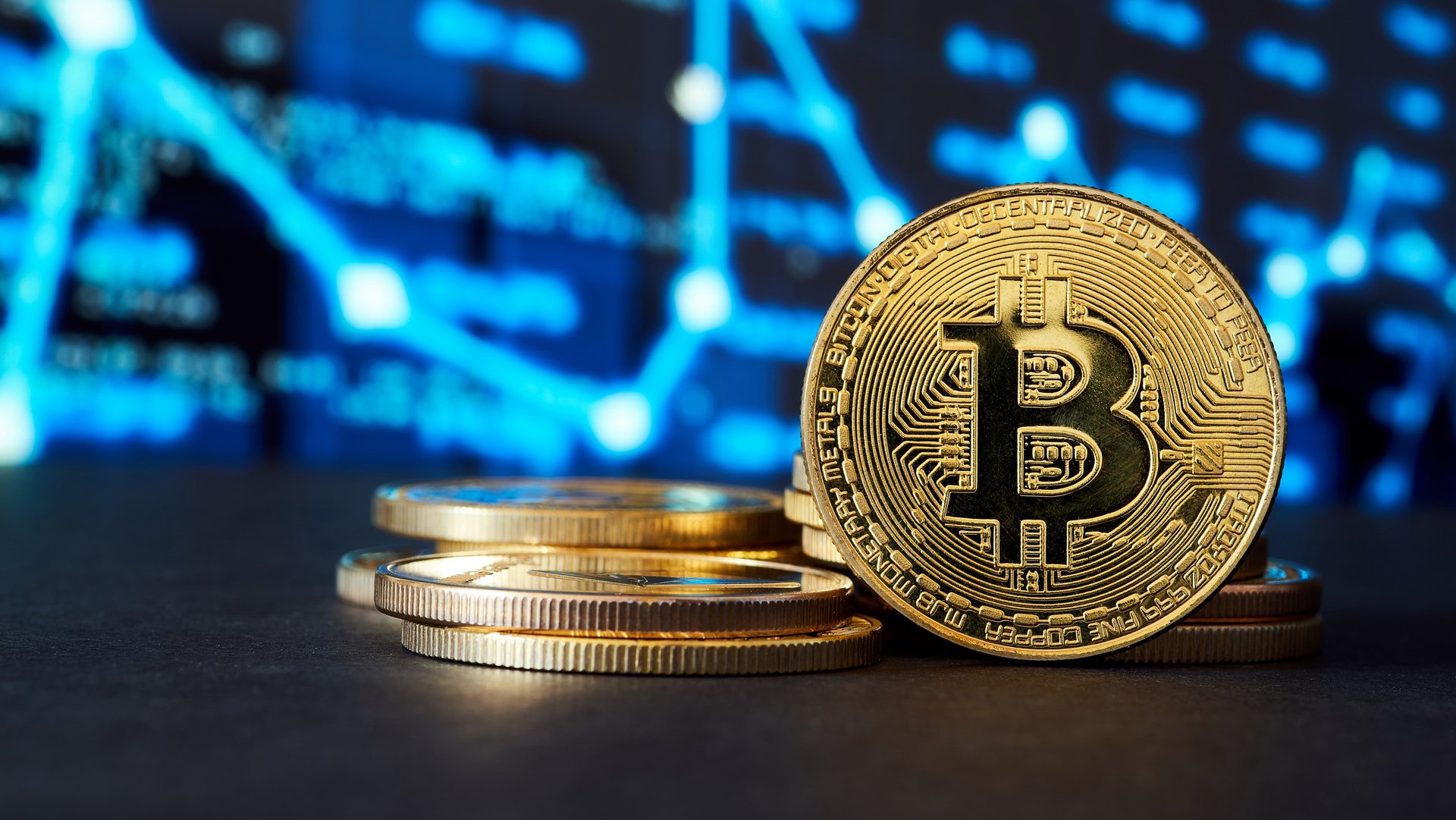
Imagine spending thousands of bitcoins on an ordinary purchase because they seemed almost worthless—only to discover years later that the same amount could represent an unimaginable fortune.
That is not fiction. It is part of Bitcoin’s history.
Bitcoin began as an experiment shared among a small community of programmers. Over time, it became a globally traded asset, attracted institutional investors, survived repeated crashes and transformed some early believers into millionaires.
But behind the extraordinary gains is an equally important truth: Bitcoin has also produced devastating losses for people who invested without understanding the risks.
Its story is not simply about getting rich. It is about innovation, patience, scarcity, fear and the enormous financial power of being early.
The Mysterious Beginning of Bitcoin
On October 31, 2008, someone using the name Satoshi Nakamoto sent a message to a cryptography mailing list introducing a new electronic payment system.
The message included a document titled Bitcoin: A Peer-to-Peer Electronic Cash System. It described a way for people to send digital payments directly to one another without depending on a bank or another trusted financial institution.
Satoshi Nakamoto’s real identity remains unknown.
It is still unclear whether the name represents one person or a group of developers. Interestingly, the creator of one of history’s most valuable financial inventions disappeared without publicly revealing who they were.
The Bitcoin network began operating in January 2009 with the creation of its first block, commonly known as the genesis block.
At that moment, Bitcoin had no established market price, no major investors and almost no public recognition.
What Made Bitcoin Different?
Digital money existed before Bitcoin, but previous systems often depended on a company or central authority.
Bitcoin introduced a decentralized network in which transactions could be recorded on a shared public ledger called the blockchain. Confirmed transactions are included in that ledger, while network participants help verify that the same coins have not been spent twice.
In simple terms, Bitcoin attempted to create digital scarcity.
A photograph, song or document can normally be copied endlessly. Bitcoin’s system was designed to prevent someone from simply copying a digital coin and spending it repeatedly.
This was the breakthrough.
For the first time, people could transfer a scarce digital asset without requiring a bank to maintain the central record.
The Pizza Purchase That Became Legendary
One of the most famous moments in Bitcoin history happened on May 22, 2010.
Programmer Laszlo Hanyecz reported successfully trading 10,000 bitcoins for two pizzas. The transaction became an important demonstration that Bitcoin could be used to purchase something in the real world.
Today, the story is often presented as a terrible financial mistake.
However, that interpretation misses something important.
At the time, Bitcoin needed people willing to use it. Without early transactions, experiments and believers, it might never have developed into a functioning market.
Hanyecz did not simply buy pizza. He helped prove that Bitcoin could have practical value.
Still, the story remains a powerful reminder of how dramatically an asset’s value can change.
Scarcity Changed the Conversation
Bitcoin’s supply is limited by its protocol.
The rate at which new bitcoins are created is periodically reduced through an event known as the halving. This predictable issuance system is designed to continue until the total supply reaches a maximum of 21 million bitcoins.
That limit became one of Bitcoin’s strongest selling points.
Traditional currencies can be issued by central banks according to economic and monetary policies. Bitcoin follows rules enforced by its network and software.
Supporters began describing it as “digital gold” because both assets are scarce and cannot be created without limit.
The comparison is not perfect, but it helped people understand why a digital asset might become valuable.
What really matters is that scarcity alone does not guarantee value. Something can be limited and still be unwanted.
Bitcoin became valuable because scarcity was combined with growing demand, global accessibility and confidence in the network.
From a Small Community to a Global Market
During Bitcoin’s early years, it was mainly discussed by programmers, technology enthusiasts and people interested in alternative financial systems.
As more exchanges appeared, buying and selling became easier. Media attention increased, businesses began experimenting with Bitcoin payments, and investors started treating it as a speculative asset.
The journey was never smooth.
Bitcoin experienced repeated cycles of rapid growth followed by severe crashes. Each major decline produced predictions that the experiment was finally over.
Yet the network continued operating.
This ability to survive was important. Every recovery attracted new participants and strengthened the belief that Bitcoin might remain valuable over the long term.
In January 2024, the U.S. Securities and Exchange Commission approved the listing and trading of several spot Bitcoin exchange-traded products. The decision gave investors another regulated way to gain exposure to Bitcoin without directly managing the cryptocurrency themselves.
That moment represented a significant change.
An asset that once existed almost entirely outside traditional finance had become available through products traded in established financial markets.
How Bitcoin Created Thousands of Millionaires
Bitcoin’s rise rewarded some early miners, investors, entrepreneurs and long-term holders with extraordinary returns.
A 2025 wealth report estimated that approximately 145,100 people worldwide held more than $1 million in Bitcoin as of June 2025. However, estimates like this should be treated cautiously because Bitcoin addresses do not correspond perfectly to individual people. One person may control several addresses, while an exchange address may hold funds belonging to thousands of customers.
Even with that limitation, there is little doubt that Bitcoin created substantial wealth.
People who acquired it early and held through years of uncertainty experienced gains that would be almost impossible to reproduce through most traditional investments.
But there is another side to the story.
Not every early holder became rich. Some sold too soon, lost their private keys, trusted failed companies or watched their coins disappear through scams and theft.
Seeing Bitcoin early was not enough.
Keeping it safely and resisting the temptation to sell required patience, conviction and personal responsibility.
Why So Many People Sold Too Early
It is easy to look at Bitcoin’s history and imagine that holding it was simple.
It was not.
Early investors had to endure dramatic price declines, negative news, regulatory uncertainty, exchange failures and constant predictions that Bitcoin would become worthless.
When an investment rises significantly, selling can feel like the responsible decision.
Someone who bought Bitcoin for a small amount may have felt successful after doubling or tripling their money. Very few people could confidently predict what would happen over the following decade.
This is an important distinction.
The people who earned the greatest returns were not necessarily those who perfectly understood the future. Many simply accepted uncertainty for longer than others were willing to tolerate.
The Financial Lessons Behind Bitcoin’s Rise
Most people cannot return to Bitcoin’s earliest years, but its history still offers valuable lessons.
Being Early Requires Accepting Uncertainty
Once an opportunity becomes obvious to everyone, much of its potential growth may already have happened.
Early investments can produce extraordinary returns because they involve risks that most people are unwilling to accept.
Patience Can Be More Powerful Than Constant Trading
Many Bitcoin fortunes were built by holding rather than repeatedly trying to predict every market movement.
This does not mean investors should hold every asset forever. It means that constantly reacting to fear and excitement can destroy a long-term strategy.
Scarcity Matters Only When Demand Exists
Bitcoin’s limited supply contributed to its value, but scarcity was not enough by itself.
The asset also needed users, infrastructure, security and a growing community willing to own it.
Security Is Part of Investing
Owning Bitcoin directly may require protecting private keys or recovery phrases.
A profitable investment is useless when the owner loses access to it. Financial success depends not only on choosing an asset, but also on protecting it properly.
Extraordinary Returns Come With Extraordinary Risk
Bitcoin has made some investors wealthy, but it remains highly volatile.
The CFTC warns that virtual currencies can experience greater volatility than traditional currencies and that their value is driven heavily by market supply and demand. Regulators have also warned investors about fraud, manipulation and substantial losses.
Is It Too Late to Invest in Bitcoin?
No one can know Bitcoin’s future price with certainty.
The fact that it produced enormous historical returns does not guarantee that new investors will experience the same results.
Bitcoin is now far more established than it was during its earliest years. That may reduce some uncertainties, but it also means investors are no longer purchasing an almost unknown experiment.
A beginner should never invest simply because other people became rich.
Before buying Bitcoin, it is important to understand its volatility, decide how much money can realistically be lost and avoid using funds needed for bills, emergencies or short-term goals.
The truth is that chasing someone else’s past success is rarely a good investment strategy.
A better approach is to study the asset, understand the risks and make a decision based on your own financial situation.
Bitcoin’s incredible story proves that small ideas can grow into global markets and that patience can create extraordinary rewards.
It also proves that wealth is never guaranteed.
The investors who benefited most were not simply lucky enough to discover Bitcoin. They also survived uncertainty, protected their assets and remained patient while the rest of the world decided whether Bitcoin had any value at all.
That may be the most valuable lesson behind the asset that created thousands of millionaires.
Continue Reading
Finance Atlas
Demystifying global markets, compounding structural wealth.
Sitemap
Home
Articles
Categories
About
Contact
Privacy
Inquiries
financeatlascontact@gmail.com
Response within one business day
© 2026 Finance Atlas-Independent financial intelligence.
Institutional Authority. Clear Utility.