
How Mike Tyson Lost Hundreds of Millions of Dollars
Discover how Mike Tyson earned hundreds of millions of dollars in the boxing ring, lost nearly everything through extreme spending and financial mismanagement, and faced bankruptcy at the height of his fame.
7/22/20264 min read
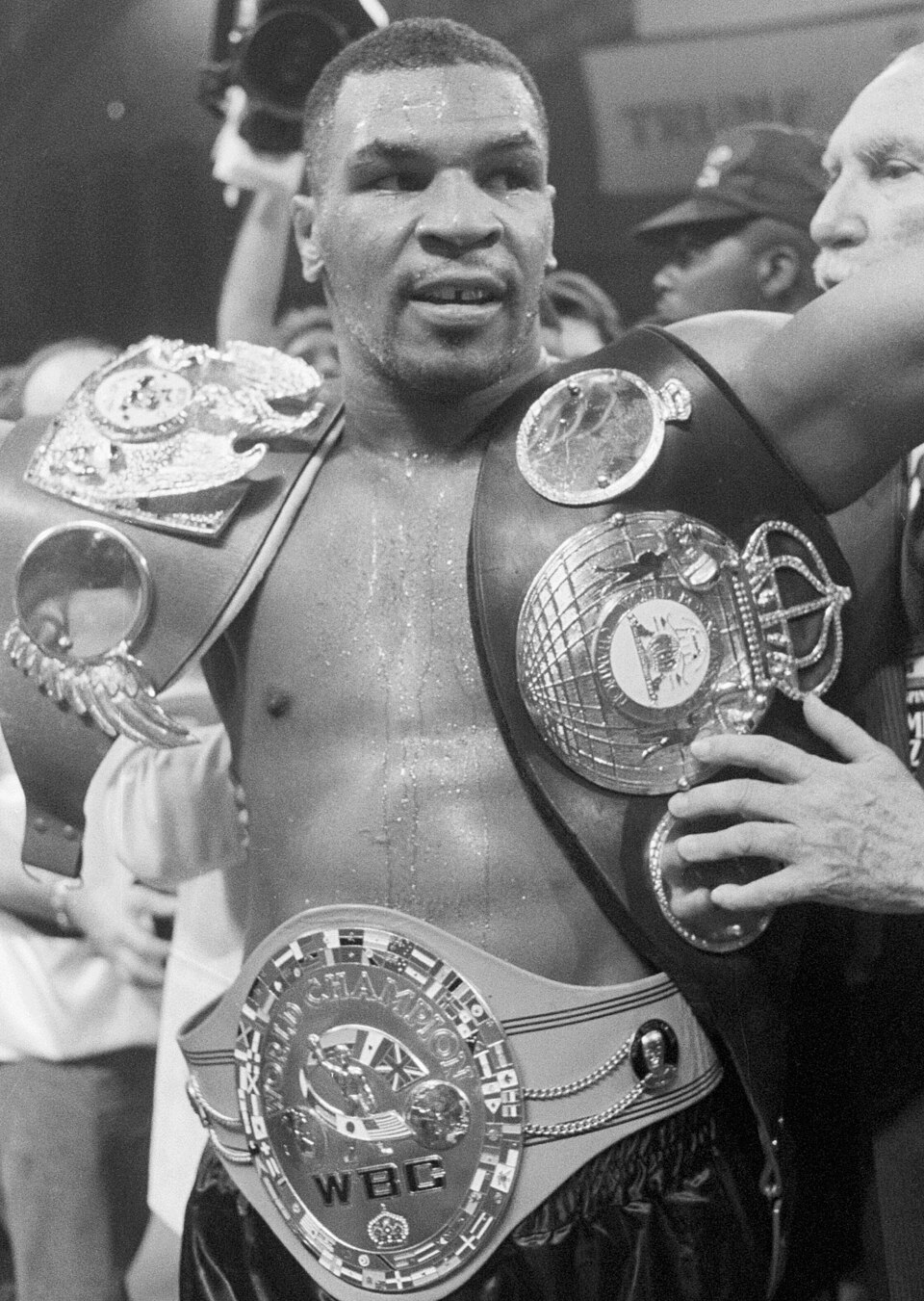
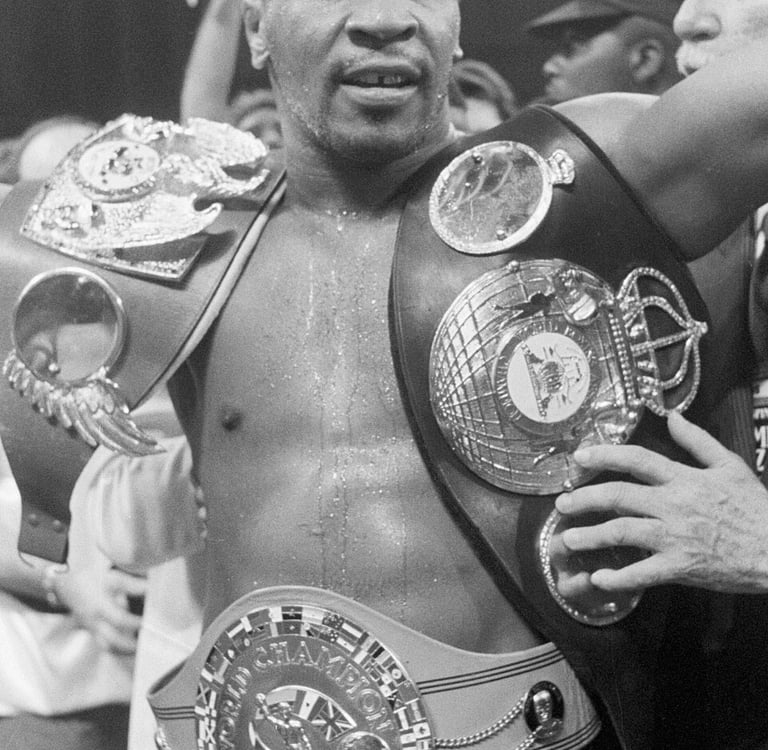
Mike Tyson was once the most feared boxer in the world—and one of the highest-paid athletes of his generation.
At only 20 years old, he became the youngest heavyweight champion in boxing history. His speed, power, and intimidating presence turned every major fight into a global event.
The money followed quickly.
Estimates of Tyson’s total career earnings vary, but major reports place the figure between approximately $300 million and $400 million. Despite that extraordinary income, he filed for bankruptcy in 2003.
The truth is, Tyson’s story shows that earning a fortune and keeping a fortune are two completely different skills.
Millions Earned Inside the Ring
During his prime, Tyson earned enormous fight purses.
Fans paid to see his explosive knockouts, television networks competed to broadcast his fights, and promoters knew his name could fill arenas.
For most people, earning even a small portion of that money would create financial security for life.
But Tyson’s income came with a dangerous illusion: because another large payday always seemed to be coming, there appeared to be no reason to control his spending.
The problem was that a boxer’s income is never guaranteed.
One injury, defeat, suspension, legal problem, or retirement can suddenly stop the money. Tyson was spending as though his peak earnings would continue forever.
They did not.
A Lifestyle Built Around Excess
Tyson’s spending became nearly as famous as his boxing career.
Reports from the time described purchases that included large mansions, luxury vehicles, expensive jewelry, extravagant gifts, and Bengal tigers. He also spent heavily on friends and members of his entourage.
At first glance, these purchases may have looked affordable for someone earning millions.
But luxury assets create more than an initial bill.
Large homes require maintenance, staff, insurance, security, and taxes. Exotic animals require specialized care. Expensive vehicles lose value and still generate ongoing costs.
The purchase is only the beginning.
This is where many wealthy people make a serious mistake: they calculate whether they can buy something, but not whether they can afford to keep it.
The Cost of Trusting Other People
Tyson’s financial collapse was not caused by shopping alone.
He depended heavily on promoters, managers, advisers, and other people to control important parts of his finances. His attorneys later said that uncontrolled spending was combined with financial mismanagement by others.
Tyson also sued promoter Don King for $100 million, alleging that he had been cheated out of money after returning to boxing in the 1990s. The dispute was another reminder that a large gross income does not mean the athlete personally keeps all of it.
Promoters, managers, trainers, lawyers, taxes, and business expenses can consume a large part of an athlete’s earnings.
There were also major personal obligations. In 2003, Tyson agreed to pay his former wife Monica Turner $6.5 million from future earnings as part of their divorce settlement.
Money was leaving from almost every direction.
When the Paydays Slowed Down
Tyson’s financial system depended on continued boxing income.
As his career declined, the large fight purses became less frequent. His expenses, however, did not disappear at the same speed.
That created a painful imbalance.
A person can appear rich while slowly becoming insolvent. The houses, cars, and jewelry may still be visible, but the bank balance can be collapsing behind the scenes.
By 2003, Tyson filed for Chapter 11 bankruptcy protection. One widely cited estimate placed his debt at approximately $23 million, although court figures changed during the bankruptcy process.
The fall was dramatic.
Court documents reported that Tyson had only $5,553 in cash at the end of December 2003, along with more than $10.2 million in liabilities recorded at that stage of the case.
For someone who had earned hundreds of millions, those numbers were almost unbelievable.
Boxing to Pay His Creditors
Even after declaring bankruptcy, Tyson still had one major asset: his name.
People remained interested in seeing him fight, which meant boxing could still generate money. But much of that future income was no longer completely his.
A bankruptcy court document shows that Tyson’s reorganization plan required 50% of the earnings from certain fights to be distributed to creditors.
In other words, he returned to the ring partly to pay debts created during the years when he had been earning the most.
That is perhaps the hardest part of the story.
Tyson had once fought to build a fortune. Later, he had to fight to repair the financial damage left behind.
The Financial Lesson Behind Tyson’s Collapse
It would be easy to look at Mike Tyson’s story and simply blame irresponsible spending.
But the real lesson is more complicated.
His downfall involved extreme expenses, unreliable advice, costly personal disputes, legal problems, and an income that depended on a short and unpredictable athletic career.
Still, one principle stands above everything else:
Your lifestyle must remain smaller than your income—even when your income is enormous.
Making more money does not fix poor financial habits. In many cases, it simply makes the mistakes larger.
A person earning $50,000 can become trapped by spending $60,000. An athlete earning millions can face the same problem on a much bigger scale.
Tyson did not lose his fortune because he stopped being famous. He lost it because the money leaving his life eventually became greater than the money coming in.
His story remains one of the clearest examples of why income alone does not create lasting wealth.
What matters most is how much you keep, who you trust, what you own, and whether your financial life can survive when the next paycheck does not arrive.
Continue Reading
Finance Atlas
Demystifying global markets, compounding structural wealth.
Sitemap
Home
Articles
Categories
About
Contact
Privacy
Inquiries
financeatlascontact@gmail.com
Response within one business day
© 2026 Finance Atlas-Independent financial intelligence.
Institutional Authority. Clear Utility.